 3 months ago
130
3 months ago
130
SINGAPORE: A 54-year-old man and a company have been fined S$250,000 (US$196,300) and S$150,000, respectively, for illegal renovation works to a historic shophouse in Little India and causing "irreversible loss of heritage value", said the Urban Redevelopment Authority (URA) on Wednesday (Apr 22).
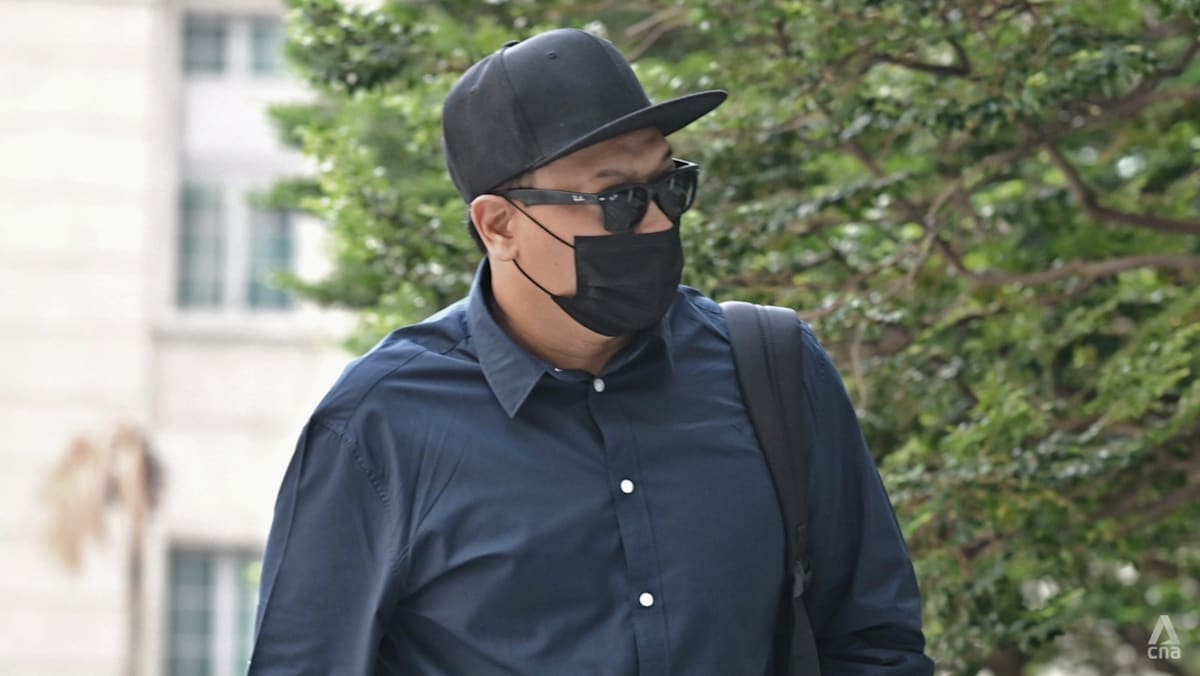
Manickam Nagarajan, a permanent resident, was convicted of one count of carrying out unauthorised works to the conserved shophouse at 32 Desker Road.
The shophouse owner, Layan Management, was convicted of one count of permitting Nagarajan to carry out the unauthorised works.
An additional charge for failing to appoint a qualified person to supervise works on-site was taken into consideration in Layan's sentencing.
DEMOLITION OF RARE ARCHITECTURAL FEATURES
In October 2022, Nagarajan bought the shophouse in the Little India Conservation Area, one of four historic districts in Singapore where "the strictest form" of building conservation is practised, URA said.
The property was then in its original form with key architectural features intact.
According to URA, the original first-storey façade was a rare surviving example of a typical residential frontage of shophouses constructed in 1913 and 1914.
It featured a double-leaf timber door, flanked on both sides by timber-framed casement windows with vertical iron security bars, reflecting the residential architectural style of that period.
Despite being aware that the shophouse was a conserved building requiring prior conservation approval from the URA for any renovation works, Nagarajan engaged Layan’s workers to carry out renovations that aimed to convert the shophouse into a co-living development, without obtaining the necessary approvals.
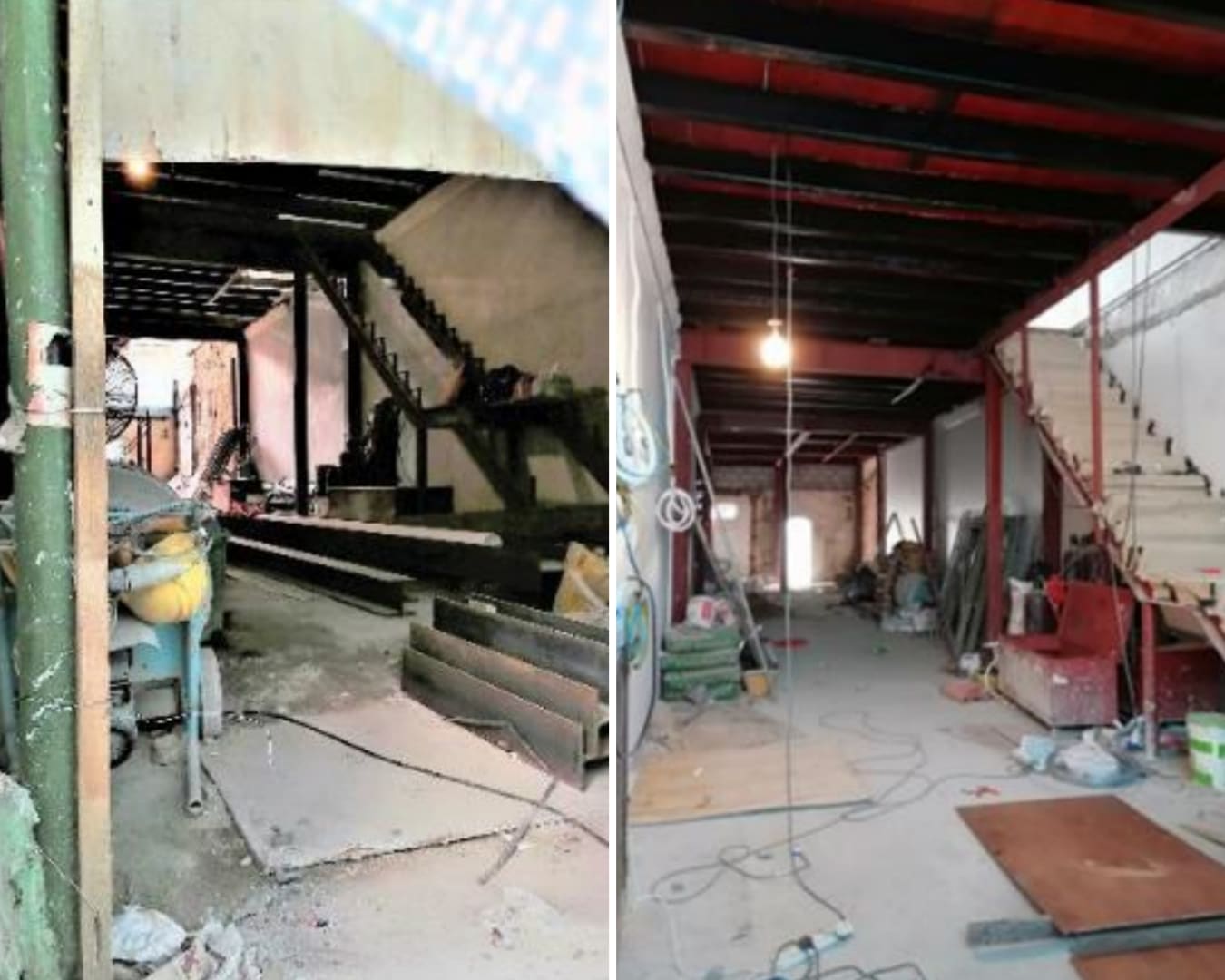 Illegal renovation works at the conserved shophouse located at 32 Desker Road. (Photos: Court documents)
Mr Kelvin Ang, director of URA’s conservation management department, said: “Conserving built heritage is an integral part of Singapore’s development. These buildings are enduring touchstones of our shared history, culture and identity, providing continuity amid change. Safeguarding them ensures that future generations remain connected to our past, even as the city evolves.”
"In this case, the parties’ egregious breach of the law led to the irrevocable loss of the original heritage fabric of a rare historic pre-war building that had endured through time," Mr Ang said.
"While the building may eventually be reconstructed, its authentic historic materials cannot be recovered or replicated, and new materials will have to be used in its rebuilding," he added.
"The parties had knowingly contravened URA’s conservation guidelines and wilfully proceeded with the unauthorised works, demonstrating a blatant disregard for the regulations. URA has taken firm enforcement action against them to uphold the integrity of the guidelines.”
ENFORCEMENT ACTION TAKEN
The renovation works were discovered in January 2023 when URA inspected the shophouse upon receiving feedback.
A written notice was then issued to Layan informing the company of the breach and requiring that work cease. URA subsequently followed up with inspections to ensure compliance.
"Nagarajan and Layan’s blatant disregard for the law resulted in the demolition of several architectural features of the conserved shophouse," said URA.
The first-storey residential front, the rear facade with timber casement windows and green glazed ceramic vents and the entire rear service block were amongst these features.
"These were fundamental elements of the conserved shophouse that contributed to its character and should have been fully retained when works were carried out," the authority said.
Court documents showed the unauthorised works included demolition of original brickwork, plaster render, stucco decorations and glazed shiwan ceramics.
"Nagarajan and Layan’s actions have led to the irreversible loss of heritage value of the historic shophouse, which had stood for more than a century," said URA, adding that Layan is also required to reinstate and restore the building at its own cost.
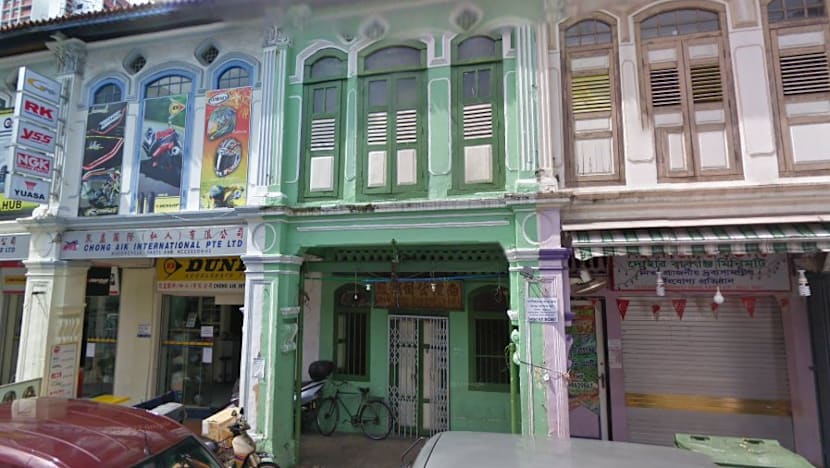 The conserved shophouse located at 32 Desker Road in 2009. (Image: Google Maps)
The case marks the first prosecution for unauthorised works to a conserved building since the Planning Act 1998 was amended in 2017 to introduce enhanced penalties for unauthorised demolition works carried out on conserved buildings.
"This case also underscores that owners of conserved buildings bear responsibility for ensuring that all works carried out on their premises comply with the relevant regulations, and that enforcement action will also be taken against all parties found to be involved in unauthorised works on conserved buildings," said URA.
Owners of conserved buildings are required to ensure that any proposed works to their buildings comply with URA’s conservation guidelines and obtain conservation permission from URA and relevant technical agencies before any commencement of works.
As structural integrity may be compromised, carrying out building works without prior approval from the relevant authorities and supervision by a qualified person may also pose safety risks to both building occupants and those in surrounding buildings.
Members of the public can report suspected cases via URA’s website.
If found guilty under the Planning Act 1998, offenders may be fined not more than S$500,000, or imprisoned up to 12 months, or both.